Check what you already own, then close a specific gap. This guide is researched guidance, not a tested-product ranking.
Make the decision in four steps.
Choose the information you need
Start with your local warning systems and a household contact plan. A broadcast radio receives information; it does not call family or emergency services. Choose a receiver for broadcasts used in your country. NOAA weather channels are not a worldwide alert service.
Check regional operation
Verify radio frequencies, local rules and the exact regional model. Two-way radio licensing and channels differ between countries. A range headline is not a promise across buildings, hills or other obstructions. Practice at the places where the household would actually use the devices.
Include the operating costs
Satellite messengers can require an active service plan and subscriptions. Check coverage, restrictions and current plan terms directly with the provider. A suitable sky view matters, and local laws may restrict use. Do not assume a device purchase alone activates every feature.
Plan power and a practice session
Check replaceable batteries, charging connectors, spare cells and storage instructions. Keep the equipment charged and test your contact routine in advance. Save key contact details offline. Every powered communication option needs a realistic recharge plan; the familiar phone and an out-of-area contact remain important parts of the household plan.
Choose the right equipment role.
A mismatch to avoid
Avoid buying a radio because it is called an emergency radio without checking what it receives where you live. No product replaces official warning enrollment, a meeting place and a practiced check-in plan.
Equipment recommendations.
As an Amazon Associate I earn from qualifying purchases. We may receive a commission when you buy through these Amazon links. Illustrations represent equipment types. Every shopping link opens an Amazon search. Compare actual listing photos, specifications, contents and price before buying.
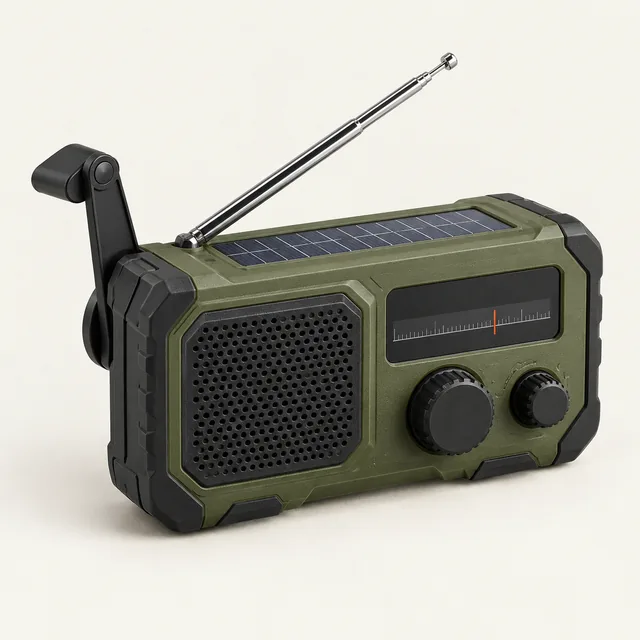 AI illustration · equipment type
Crank-backup weather radio
AM/FM listening and NOAA weather reception in supported regions, with multiple power options.
Fit check: Test local reception and alert operation before relying on it. Pack backup batteries.
Important limitation: NOAA weather channels are not global. Elsewhere, choose a receiver for your local broadcast and warning system.
EQUIPMENT BUYING GUIDANCE
Look for: Test reception and multiple charging options
Compare the actual listing’s photos, specifications and included items. The illustration and guidance describe an equipment type, not a specific product offered for sale.
We may earn a commission.
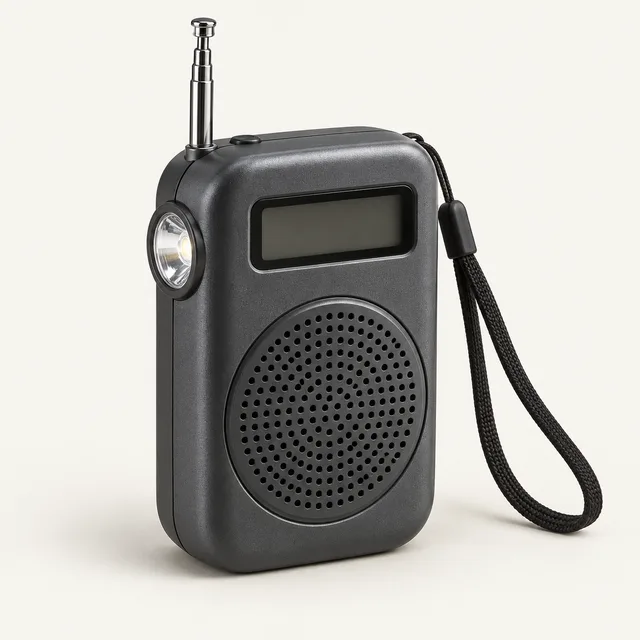 AI illustration · equipment type
Compact travel weather radio
A smaller weather-radio option for a household or travel kit.
Fit check: Confirm local broadcast coverage and test reception where you will use it.
Important limitation: NOAA weather channels serve the US and some neighboring areas, not every country.
EQUIPMENT BUYING GUIDANCE
Look for: Check regional broadcasts and reception
Compare the actual listing’s photos, specifications and included items. The illustration and guidance describe an equipment type, not a specific product offered for sale.
We may earn a commission.
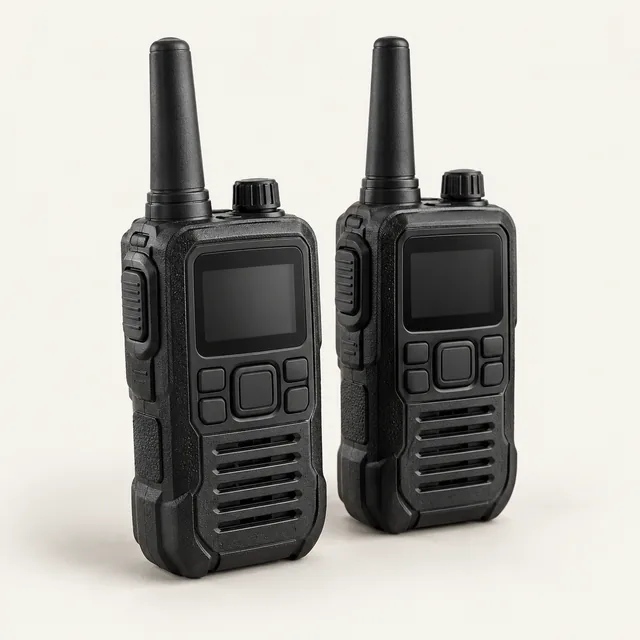 AI illustration · equipment type
Neighborhood two-way radio pair
Keep a nearby group in touch when phone service is unreliable.
Fit check: Choose a radio version approved for your country and practice your channel plan.
Important limitation: Buildings and terrain reduce range. Regional frequencies and licensing rules differ.
EQUIPMENT BUYING GUIDANCE
Look for: Confirm local radio rules and practice a channel plan
Compare the actual listing’s photos, specifications and included items. The illustration and guidance describe an equipment type, not a specific product offered for sale.
We may earn a commission.
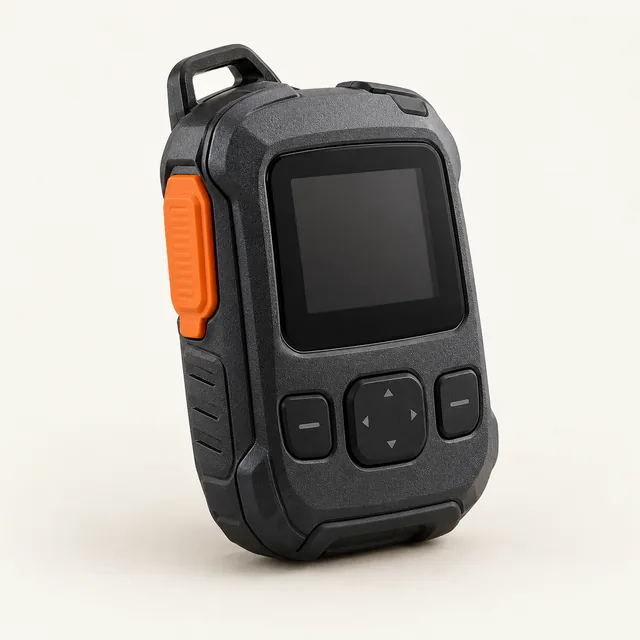 AI illustration · equipment type
Phone-paired satellite messenger
An off-grid messaging option for trips beyond cellular coverage.
Fit check: Budget for service and verify activation, messaging and SOS status before departure.
Important limitation: Needs a suitable sky view. Messaging, SOS availability and restrictions depend on the device, plan status and destination.
EQUIPMENT BUYING GUIDANCE
Look for: Check activation service plans and sky-view requirements
Compare the actual listing’s photos, specifications and included items. The illustration and guidance describe an equipment type, not a specific product offered for sale.
We may earn a commission.
Put the choice into your plan.
Check your local forecast and official warning coverage before choosing a product. Explore the related equipment collection to compare options. Your local emergency instructions and individual needs remain the starting point.
Published 4 October 2026; substantively updated 28 October 2026 by the Beforetheoutage.com editorial desk.
Primary guidance and references
Ready.gov household communication planning. Recommendation cards describe equipment roles and buying criteria, not specific products for sale. Selection is based on intended role and documented limitations; no source is claimed to endorse this site.