Check what you already own, then close a specific gap. This guide is researched guidance, not a tested-product ranking.
Build around your household first.
A two-person label is not a quantity check.
Two people following CDC’s three-day water baseline need at least 6 US gallons / about 22.7 L, before additional needs. Compare that quantity with the actual water volume in any kit. A few small pouches cannot replace a household stored-water supply.
For food, divide total calories across people and days; serving counts alone do not establish adequacy. Inspect first-aid supplies, dates and instructions. Add personal medicines, documents, contact information, accessibility supplies and pet needs.
CDC water baseline. These are planning examples, not claims about the contents of any pictured bag or Amazon search result.
Complete the bag without buying duplicates.
- Check what you own and test it.
- Read actual quantities and included items.
- Add household-specific essentials.
- Practice carrying it and review expiring supplies.
Make the decision in four steps.
Decide where the kit will live
A home supply, a carryable evacuation bag and a vehicle kit have different storage and weight needs. Choose the purpose first. Start with equipment you already own and can use; then identify specific gaps rather than buying another all-purpose bundle.
Read the actual contents
Check quantities, serving sizes, food ingredients, water provision, expiry dates, battery types and instructions. A high piece count may include many small consumables. The same product name can be sold in different bundles, so inspect the current seller’s list and photos before ordering.
Add the irreplaceable items
Prescribed medicines, copies of documents, contact details, accessibility supplies, suitable clothing and familiar food depend on the people using the kit. A generic bag cannot choose them for you. Plan pets and a destination that accepts them before leaving becomes urgent.
Practice carrying and maintaining it
Pack the bag, test its weight and make sure essential items can be found without unpacking everything. Read the instructions for unfamiliar equipment before an emergency. Review expiring supplies and household changes regularly, and keep an offline copy of the plan. A kit’s contents are useful only when they remain accessible and usable.
Choose the right equipment role.
A mismatch to avoid
A “two-person” or “three-day” label does not prove that the bundle covers your household’s water, food, health or accessibility needs. Check its contents against your plan before treating it as complete.
Equipment recommendations.
As an Amazon Associate I earn from qualifying purchases. We may receive a commission when you buy through these Amazon links. Illustrations represent equipment types. Every shopping link opens an Amazon search. Compare actual listing photos, specifications, contents and price before buying.
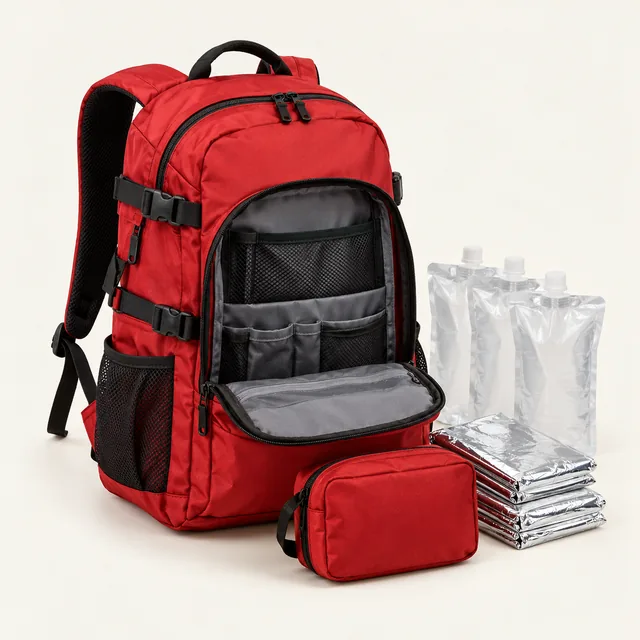 AI illustration · equipment type
Two-person starter emergency backpack
A pre-packed bag to assess as the beginning of a personalised evacuation kit.
Fit check: Read the exact contents and divide water and food totals by people and days.
Important limitation: Add substantial household water storage, medicines, documents, and personal items. Bundle contents vary.
EQUIPMENT BUYING GUIDANCE
Look for: Count actual water and calories rather than relying on the label
Compare the actual listing’s photos, specifications and included items. The illustration and guidance describe an equipment type, not a specific product offered for sale.
We may earn a commission.
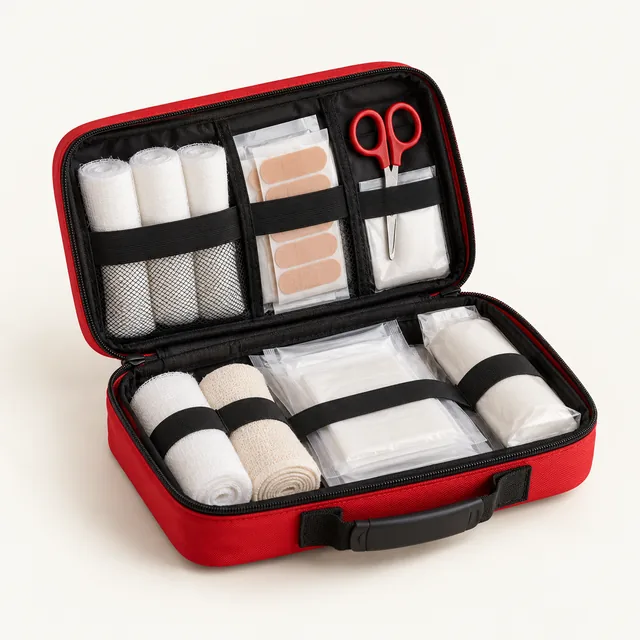 AI illustration · equipment type
Organized household first-aid case
A portable first-aid kit with clear pockets for finding basic supplies quickly.
Fit check: Read the current contents list, expiry dates, and your household’s specific needs.
Important limitation: Supplies do not replace first-aid training or medical care. Add prescribed items with professional advice.
EQUIPMENT BUYING GUIDANCE
Look for: Look for accessible compartments and useful refillable supplies
Compare the actual listing’s photos, specifications and included items. The illustration and guidance describe an equipment type, not a specific product offered for sale.
We may earn a commission.
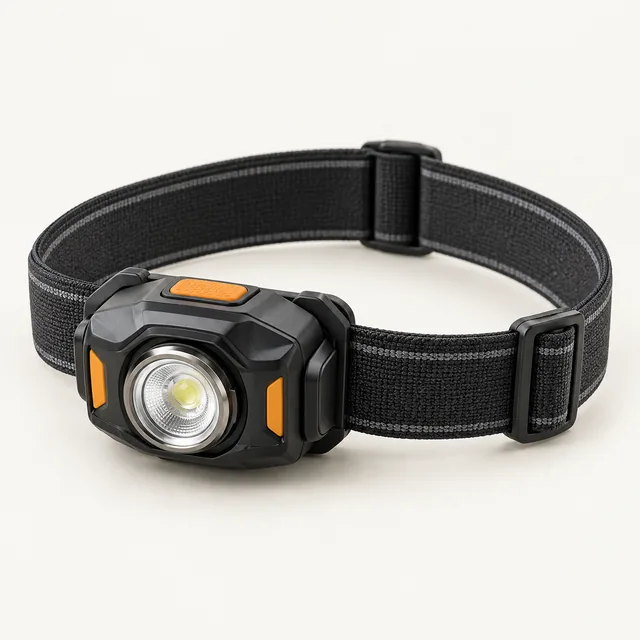 AI illustration · equipment type
Spare-battery headlamp
Practical lighting for moving around, checking supplies, and finding your way.
Fit check: Check the battery type and included quantity. Pack compatible spares and test the controls before an outage.
Important limitation: Maximum brightness often has the shortest runtime. Pack spares and check for battery leakage.
EQUIPMENT BUYING GUIDANCE
Look for: Match battery type to your stored spares
Compare the actual listing’s photos, specifications and included items. The illustration and guidance describe an equipment type, not a specific product offered for sale.
We may earn a commission.
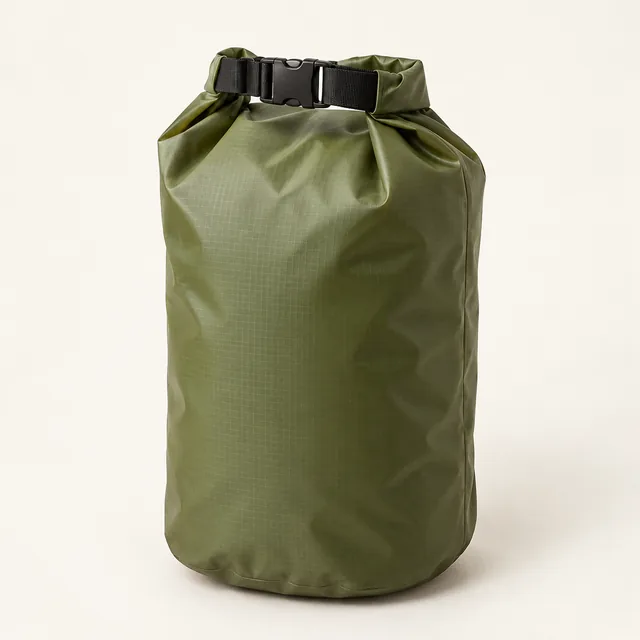 AI illustration · equipment type
Roll-top clothing dry bag
Separate dry clothing and small supplies from wet kit contents.
Fit check: Choose capacity around your packed items and follow the roll-top closure instructions.
Important limitation: Not a guarantee against prolonged submersion; protect documents and electronics separately.
EQUIPMENT BUYING GUIDANCE
Look for: Follow closure instructions and protect fragile contents separately
Compare the actual listing’s photos, specifications and included items. The illustration and guidance describe an equipment type, not a specific product offered for sale.
We may earn a commission.
Put the choice into your plan.
Build and print your household checklist before choosing a product. Explore the related equipment collection to compare options. Your local emergency instructions and individual needs remain the starting point.
Published 4 October 2026; substantively updated 28 October 2026 by the Beforetheoutage.com editorial desk.
Primary guidance and references
Ready.gov supply kit guidance. Recommendation cards describe equipment roles and buying criteria, not specific products for sale. Selection is based on intended role and documented limitations; no source is claimed to endorse this site.