Check what you already own, then close a specific gap. This guide is researched guidance, not a tested-product ranking.
Storage, carrying and treatment are three jobs.
Work out the quantity first.
CDC’s baseline is at least 1 US gallon per person per day for three days, with more for pets, heat and individual needs. Four people for three days means 12 US gallons / about 45.4 L. Two containers of nominal 7-gallon capacity offer 14 gallons of storage, but become a water supply only when safely filled.
Seven US gallons of water alone weighs about 58 lb / 26.5 kg. Choose a safe filling and dispensing location, or use smaller containers when lifting is difficult.
CDC water quantity, containers and storage guidance. For self-filled supplies, CDC advises replacing water every six months. Follow cleaning instructions and local advisories.
Calculate household quantitiesBefore ordering
Compare actual capacity, filled weight, closures, dispensing and storage instructions. Check contaminant ratings, freezing limits and maintenance separately when buying treatment equipment.
Make the decision in four steps.
Plan a stored supply
Calculate a baseline around people and days, then account for pets, heat and individual needs. Store safe drinking water before a disruption. A filter sitting in a bag is not a supply of drinking water, and an empty container does not help when the tap has already become unsafe.
Choose containers you can handle
Check food-contact suitability, closure, cleaning instructions and carrying weight when filled. Several smaller containers may be easier for your household to move than one very large container. Plan dispensing and a place to store them; a packable bottle is useful for carrying water but does not treat it.
Match treatment to the contaminant
Read the exact manufacturer ratings and maintenance instructions. Many personal microfilters do not remove viruses, salt or dissolved chemicals; check the exact product ratings. Do not assume a personal filter makes floodwater safe. Where authorities advise bottled water or a particular treatment, follow that advice rather than substituting a product based on a broad marketing claim.
Maintain the backup
Clean and store equipment according to instructions. Know the filter’s service and replacement requirements and how to prevent freezing damage. Keep stored water and containers on a household review schedule. Treatment depends on the water source and instructions; there is no universal gadget for every contaminated supply.
Choose the right equipment role.
A mismatch to avoid
Do not replace stored safe water with the assumption that you can filter whatever is nearby. If a source could contain fuel, toxic chemicals or salt, follow official advice and use another safe supply.
Equipment recommendations.
As an Amazon Associate I earn from qualifying purchases. We may receive a commission when you buy through these Amazon links. Illustrations represent equipment types. Every shopping link opens an Amazon search. Compare actual listing photos, specifications, contents and price before buying.
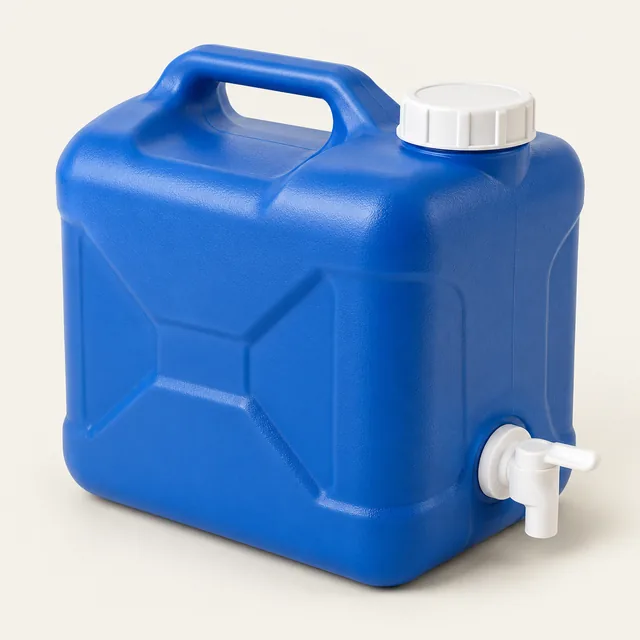 AI illustration · equipment type
Large household water container
A reusable container to compare for household drinking-water storage.
Fit check: Choose food-contact-safe materials, a manageable filled weight, and a reliable tap or cap.
Important limitation: A container stores water; it does not treat contamination. Follow cleaning and storage instructions.
EQUIPMENT BUYING GUIDANCE
Look for: Check filled weight and a controllable dispensing tap
Compare the actual listing’s photos, specifications and included items. The illustration and guidance describe an equipment type, not a specific product offered for sale.
We may earn a commission.
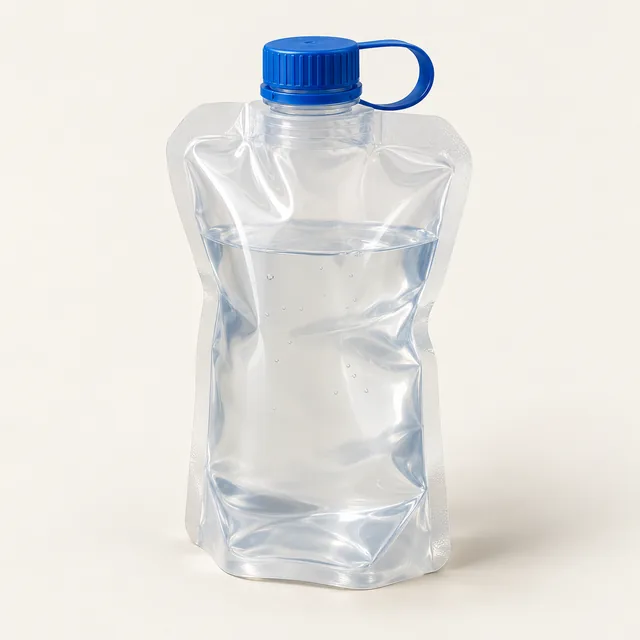 AI illustration · equipment type
Pack-flat drinking-water bottle
Carry extra drinking water in a container that packs flat when empty.
Fit check: Inspect seams and cap; keep it away from sharp kit contents.
Important limitation: A container stores water; it does not treat it. Carry enough for your route.
EQUIPMENT BUYING GUIDANCE
Look for: Inspect seams and protect the bottle from sharp contents
Compare the actual listing’s photos, specifications and included items. The illustration and guidance describe an equipment type, not a specific product offered for sale.
We may earn a commission.
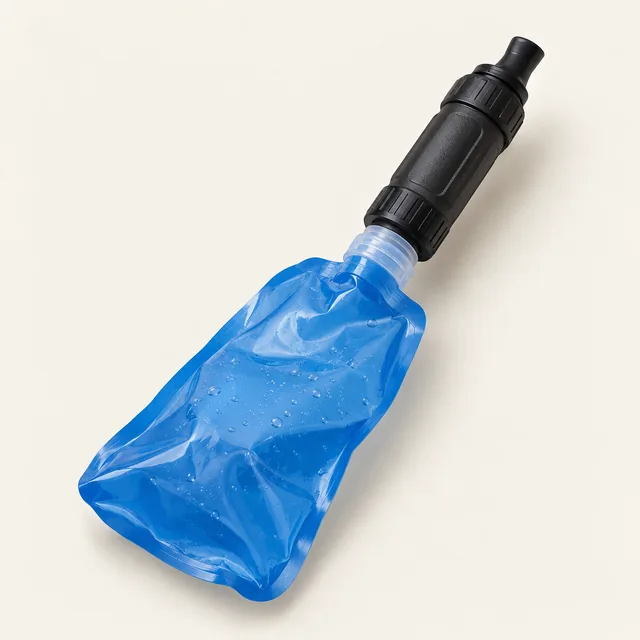 AI illustration · equipment type
Squeeze-bag freshwater filter
A secondary option chosen for the contaminants you may encounter.
Fit check: Verify which bacteria, protozoa, viruses, or chemicals the exact product is rated to address.
Important limitation: This filter does not remove viruses, salt, or dissolved chemicals. Protect it from freezing and follow local water advisories.
EQUIPMENT BUYING GUIDANCE
Look for: Check the listed contaminants and freezing limitations
Compare the actual listing’s photos, specifications and included items. The illustration and guidance describe an equipment type, not a specific product offered for sale.
We may earn a commission.
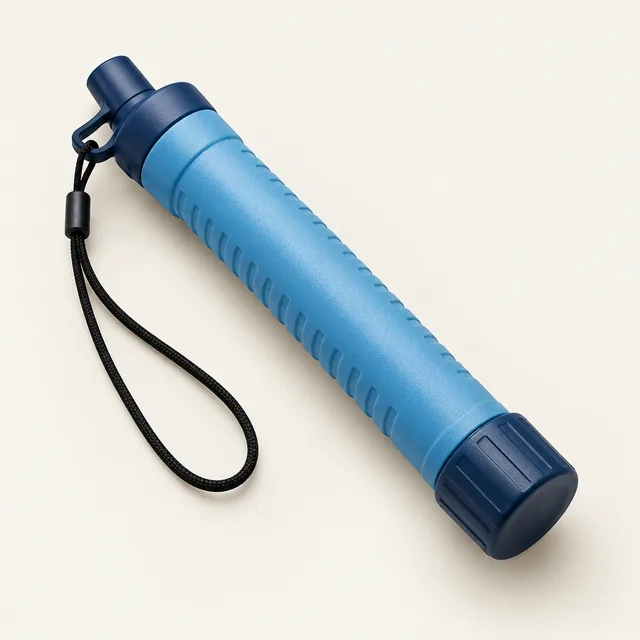 AI illustration · equipment type
Personal freshwater filter straw
A small filtration backup for an individual evacuation kit.
Fit check: Read the exact contaminant ratings, cleaning instructions, and storage guidance.
Important limitation: It does not make saltwater or chemically contaminated floodwater safe.
EQUIPMENT BUYING GUIDANCE
Look for: Check contaminant ratings and cleaning instructions
Compare the actual listing’s photos, specifications and included items. The illustration and guidance describe an equipment type, not a specific product offered for sale.
We may earn a commission.
Put the choice into your plan.
Calculate your household water baseline before choosing a product. Explore the related equipment collection to compare options. Your local emergency instructions and individual needs remain the starting point.
Published 4 October 2026; substantively updated 28 October 2026 by the Beforetheoutage.com editorial desk.
Primary guidance and references
CDC emergency water storage guidance. Recommendation cards describe equipment roles and buying criteria, not specific products for sale. Selection is based on intended role and documented limitations; no source is claimed to endorse this site.