If someone is confused, collapses, or appears seriously unwell in heat, call local emergency services and begin cooling them.
Before: make the plan
- Identify a cooled public building or another safe place to spend the hottest hours.
- Plan check-ins with people who live alone or need help reaching a cool place.
- Review heat-sensitive medicines and health needs with a clinician. Keep drinking water accessible.
During: protect people
- Reduce strenuous activity during the hottest part of the day. Use shade and cool spaces.
- Cool your skin with water and drink regularly, following any personal medical fluid restrictions.
- Never leave children, dependent adults, or pets in a parked vehicle.
After: recover carefully
- Continue checking on people after the hottest hours; indoor heat can persist.
- Review whether your cooling plan depends on electricity and add an alternative destination.
Include a power-outage scenario
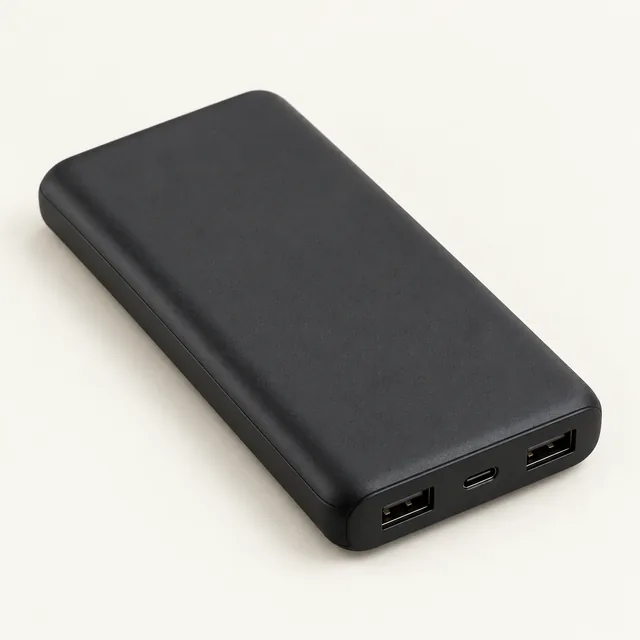
A cooling plan needs somewhere to go if your usual cooling equipment cannot operate. Ask about local cooling spaces and transport arrangements before hot weather arrives. Plan check-ins with household members who may need assistance. A backup battery should be matched to the actual device load and output requirements.
Connect the forecast to practical actions
Use hourly forecasts to plan when preparation and travel can happen more comfortably. Temperature on its own does not describe every heat risk; humidity, exposure and personal circumstances matter. Keep official local heat warnings in view, and follow public-health guidance rather than relying on a readiness score or a single weather number.
Tools for your plan
Published by the Beforetheoutage.com editorial desk.
Read the official guidance
Source links included 3 October 2026. Guidance must be adapted to your country, building, and personal circumstances.