In this article
- Choose the room before the machine.
- Look beyond the first purchase.
- Remember that cleaning air uses electricity.
- Make leaving part of the plan too.
- Work through a room-size example
- Compare the ongoing costs and everyday controls
- Calculate a battery example without promising all-night protection
- Write a fallback plan alongside the shopping list
Source-based guide created with AI assistance. Calculations are illustrative; equipment selections are researched, not hands-on tests. How we work.
Choose the room before the machine.
Start with a room where the household can spend time comfortably. Measure its floor area and note the ceiling height. Look at smoke clean air delivery rate, or CADR, instead of a large headline coverage figure without its assumptions. EPA guidance recommends a smoke CADR of at least two-thirds of the room’s area in square feet for a standard-height room, with more capacity needed for high ceilings. Read EPA sizing guidance.
Look beyond the first purchase.
Check replacement-filter availability and cost, the controls, and noise at the setting you expect to use. A quiet low setting may move less air than the setting behind a published performance claim. Keep the manual and follow maintenance guidance. Choose a unit that does not intentionally generate ozone. The example below is a research starting point, not a finding from a hands-on comparison.
Remember that cleaning air uses electricity.
An unplugged air cleaner cannot filter room air. If you intend to use a battery, check the exact cleaner’s load and the battery’s compatible output, then estimate a realistic runtime. Do not assume a small phone power bank can operate an AC appliance. Include charging and replacement filters in the plan before spending on a larger battery.
Make leaving part of the plan too.
Particle filtration does not make every gas safe and does not override an evacuation order. Closed windows can also create a heat problem. EPA recommends considering smoke and heat together and identifying a cleaner, cooled destination when necessary. A particulate respirator has a different role and depends on fit; it is not a substitute for a safe building or an evacuation route.
Work through a room-size example
Measure one room rather than adding up the whole home. A room measuring 12 by 15 feet has 180 square feet of floor area. Using EPA’s smoke-CADR guidance, two-thirds of 180 gives a minimum target of 120 cubic feet per minute for an ordinary room with an eight-foot ceiling. This is a sizing example, not a test of the linked cleaner. Higher ceilings call for more capacity.
Check that the figure you are reading is smoke CADR and that the units match. A coverage claim in square feet may use a different air-change assumption from another brand. Leaving doors open to adjoining rooms also changes the space you are trying to clean. Pick a room that household members can actually use and arrange the cleaner with the clearances its manual requires.
Compare the ongoing costs and everyday controls
| Question | Why it changes the choice |
|---|---|
| Can I obtain the exact replacement filter? | A machine without its suitable filter cannot deliver its intended service. |
| Which setting produced the published CADR? | A lower, quieter setting may clean less air. |
| Can everyone operate it without an app? | Basic controls matter when internet access or a phone is unavailable. |
| What load does it draw at my intended setting? | This helps size battery backup and estimate how long it can run. |
Read filter-maintenance instructions before deciding on a budget. Compare the price of the unit plus an appropriate spare filter rather than the sale price alone. Do not wash or substitute a filter unless its manufacturer permits that. A model you can run at a useful setting is a better fit than one whose necessary setting you consistently switch off because of noise.
Calculate a battery example without promising all-night protection
Suppose a hypothetical air cleaner draws a steady 30 W at the chosen setting. Eight hours requires 240 Wh delivered to the appliance. If you assume 85% of a battery’s rated energy reaches the load, the arithmetic is 240 ÷ 0.85, or about 283 Wh of rated capacity. That simplified estimate is not a recommendation to buy an exactly 283 Wh battery: actual losses, idle consumption, battery condition and operating mode change the result.
Measure the exact cleaner where practical and check the station’s AC output and operating limits. Test the setup in advance. A USB-only power bank cannot directly run a cleaner requiring AC power. The runtime calculator lets you examine assumptions; it does not measure the cleaner or prove that indoor air is safe.
Write a fallback plan alongside the shopping list
Decide where you could go if the room becomes too hot, power fails beyond your backup duration, or authorities tell you to leave. Check transport, opening hours and whether your destination can accommodate pets and other household needs. Keep official evacuation information separate from air-quality information; neither a particle reading nor a filter overrides an evacuation order.
If you already own an appropriately sized working cleaner, inspect the filter and practice the room setup first. A replacement filter or a practical alternate destination may matter more than a second machine. This article addresses preparation and equipment choices; anyone with individual health concerns should follow their clinician’s guidance about smoke exposure.
PUT THE IDEA TO WORK
Equipment to research.
Start with what you already own. These examples cover different roles; you do not need every item. Selections are researched, not hands-on reviews.
As an Amazon Associate I earn from qualifying purchases. We may receive a commission when you buy through these Amazon links. Links open equipment searches on Amazon US; compare actual listing photos, features and sellers.
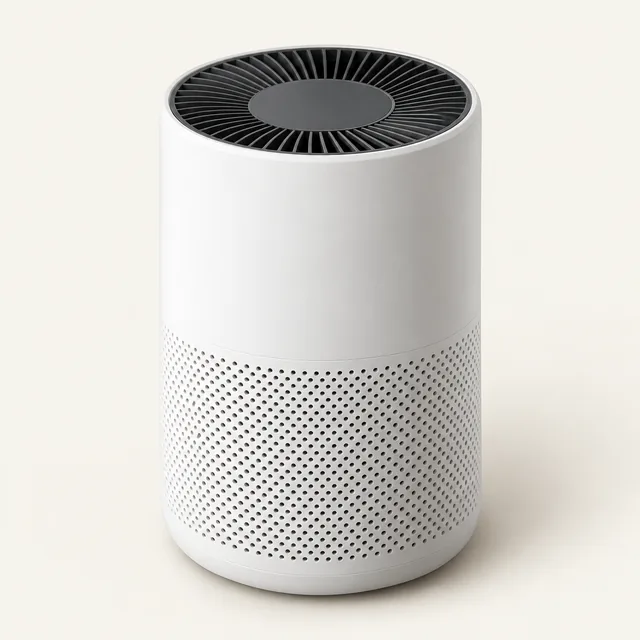 AI illustration · equipment type
Small-room particle air cleaner
Research a room air-cleaning option for smoke-particle preparation while power is available.
Check the fit
Requires electricity. Particle filtration does not remove every gas or replace evacuation or a safe cooling plan.
We may earn a commission.
Equipment search · Amazon US
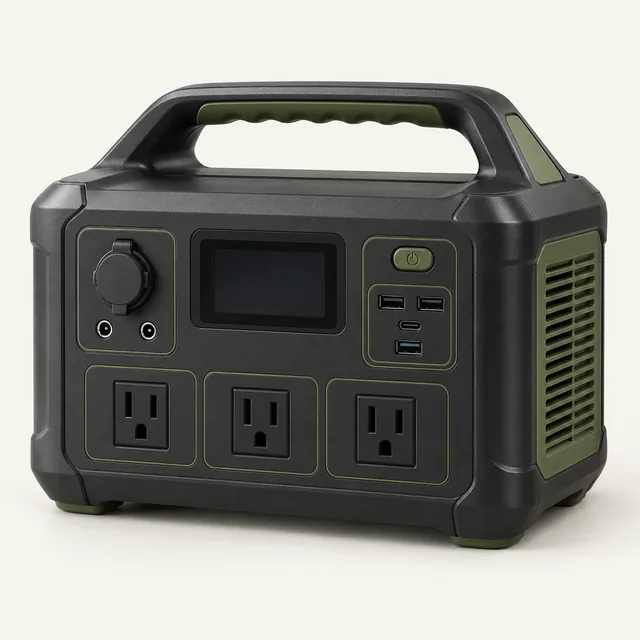 AI illustration · equipment type
Home essentials battery station
A rechargeable battery system to compare for lights, communications, and selected appliances.
Check the fit
Runtime depends on the actual load. Confirm regional output and startup limits; make a separate plan for critical medical equipment.
We may earn a commission.
Equipment search · Amazon US
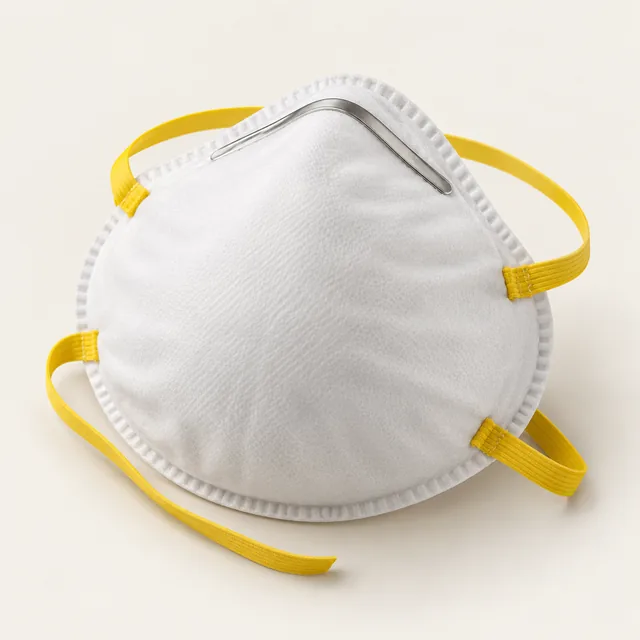 AI illustration · equipment type
Disposable particulate respirators
An option to research for particulate exposure such as smoke particles.
Check the fit
Not protection from gases, carbon monoxide, or oxygen-deficient air. Fit is essential.
We may earn a commission.
Equipment search · Amazon US
Sources & further reading
- EPA: preparing for smoke and heat
- Levoit Core 300S-P manufacturer information
- AirNow: wildfire smoke resources
Editorial guidance, not a local emergency warning. Follow your national and local authorities.