In this article
- Build around people
- Give water a real place
- Keep food familiar
- Make a communication plan
- Walk through an evening
- Work through one household instead of a generic shopping list
- Audit one ordinary day from waking to bedtime
- Build in an order that fits a limited budget
- Finish with a rehearsal and a review date
Source-based guide created with AI assistance. Calculations are illustrative; equipment selections are researched, not hands-on tests. How we work.
Build around people
Start with who lives with you and who might need your help. Include children, older adults, disabled household members, and pets. Three days is a starting point, not a promise that help will arrive in 72 hours. Your local authority may recommend a longer supply.
Give water a real place
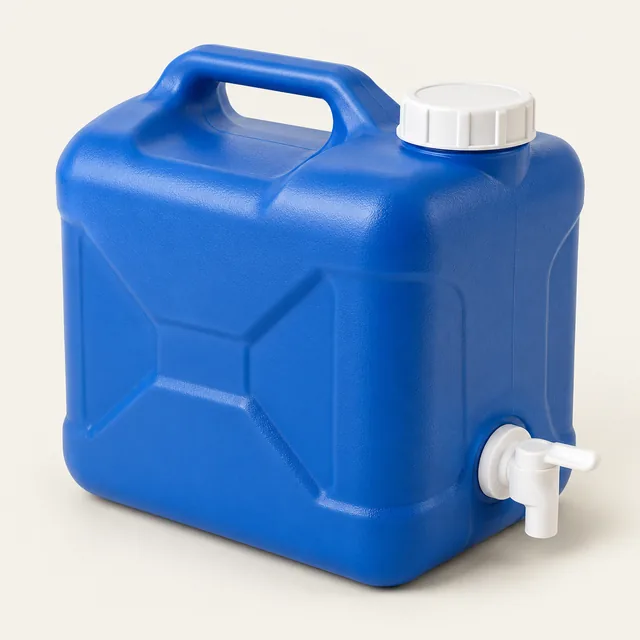
The planner uses a baseline of one US gallon—about 3.8 litres—per person per day for drinking and basic sanitation. Heat, health needs, pets, and other circumstances can increase that amount. Work out where containers will live and whether everyone can lift them. Buying a bag with a few water pouches does not cover household water storage.
Keep food familiar
Choose food people already eat that stores safely and fits dietary needs. Consider whether it needs water, refrigeration, a can opener, or cooking. Put a manual opener with tins. Rotate supplies into normal use instead of hiding them indefinitely at the back of a cupboard.
Make a communication plan
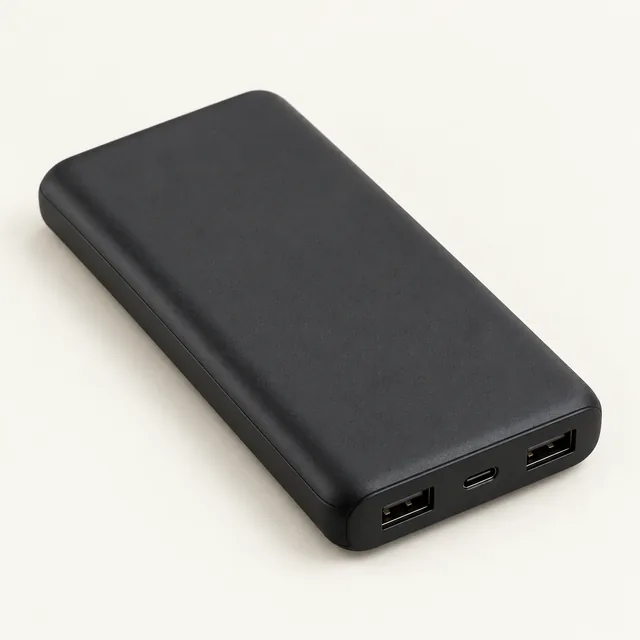
Write down key contacts and an agreed meeting place. Keep a paper copy because a dead phone can take your address book with it. Agree how to check in if mobile networks are overloaded. Store a charging cable with each battery pack and test it before packing it away.
Walk through an evening
Imagine the lights go out after dinner. Can you find your torch? Reach essential medicines? Keep warm or cool safely? Contact someone outside the area? Try the sequence once and note the gaps. Finish with a date to check batteries, expiry dates, and changing household needs.
Work through one household instead of a generic shopping list
Consider three people preparing for three days at home. Using CDC’s one-gallon-per-person-per-day baseline, the starting water calculation is 3 × 3 × 1 = 9 US gallons. That does not include every possible additional need. Pets, hot weather and personal circumstances can increase the amount. CDC encourages a two-week supply where possible, and local recommendations may differ.
Now look for a real storage location. Nine gallons distributed in manageable containers may be easier to use than one large container that nobody can lift. Check that containers are suitable for water storage and can be accessed when lights are off. Label home-filled water with the storage date and follow CDC’s cleaning, storage and replacement instructions. Do not count an empty container as stored water.
Audit one ordinary day from waking to bedtime
| Routine | Outage question | Practical preparation |
|---|---|---|
| Breakfast and medicines | What requires water, refrigeration or an electric appliance? | Choose familiar shelf-stable options and arrange individual medicine plans. |
| Communication | Where are contacts if the phone battery dies? | Keep paper contacts and a tested charging setup. |
| Evening movement | Can everyone reach the bathroom and supplies safely? | Put usable lights in known, reachable places. |
| Sleep and temperature | What if the home becomes unsuitable? | Choose a destination and transport arrangement before it is needed. |
Include the person who actually uses each item in the review. A child’s food preferences, an adult’s limited grip or a pet’s carrier can change what works. An impressive supply list is incomplete if its intended user cannot open, reach or carry the supplies.
Build in an order that fits a limited budget
Begin with inventory. Write “own,” “needs checking” or “missing” beside each task. A familiar flashlight that needs batteries belongs in the second category; it is not automatically a reason to buy a new lantern. Test items before replacing them, and assign storage locations so that another person can find them.
Next, close basic gaps in water, familiar food, personal care, lighting and communication. Then consider equipment for your particular exposure, such as a smoke-room air cleaner or a larger power source for a documented load. Keep money and space for recurring costs, replacement filters and batteries. A large prepacked kit can consume the budget while leaving individual needs uncovered.
Plan meals as complete tasks: opening the package, preparing it, eating it and dealing with waste. A shelf-stable ingredient that needs a long boil is different from a ready-to-eat meal when water and energy are limited. Try an ordinary meal from your supplies before storing a large quantity of unfamiliar food.
Finish with a rehearsal and a review date
- Ask another household member to find a light, contact card, water and manual opener.
- Test the phone, cable and backup source together. Record any missing connector.
- Check whether the leaving plan works if one adult or the household vehicle is unavailable.
- Write down the next supply review date and review again when household needs change.
Three days describes a planning interval, not a promise about restoration or assistance. If officials advise evacuation, a stocked cupboard is not a reason to remain. Save the useful results of your review in your household plan and keep an accessible paper copy of the essential contacts and decisions.
Sources & further reading
- Ready.gov · Emergency supply checklist
- New Zealand Civil Defence · Get prepared
- CDC: emergency water storage
Editorial guidance, not a local emergency warning. Follow your national and local authorities.