In this article
- Put the thermometer in place before the outage.
- Time matters as much as temperature.
- Give a cooler a realistic job.
- Prepare a meal that needs no cold chain.
- Buy for the measurement you need
- A worked timeline: known outage versus unknown history
- Size the cooler around a short priority list
Source-based guide created with AI assistance. Calculations are illustrative; equipment selections are researched, not hands-on tests. How we work.
Put the thermometer in place before the outage.
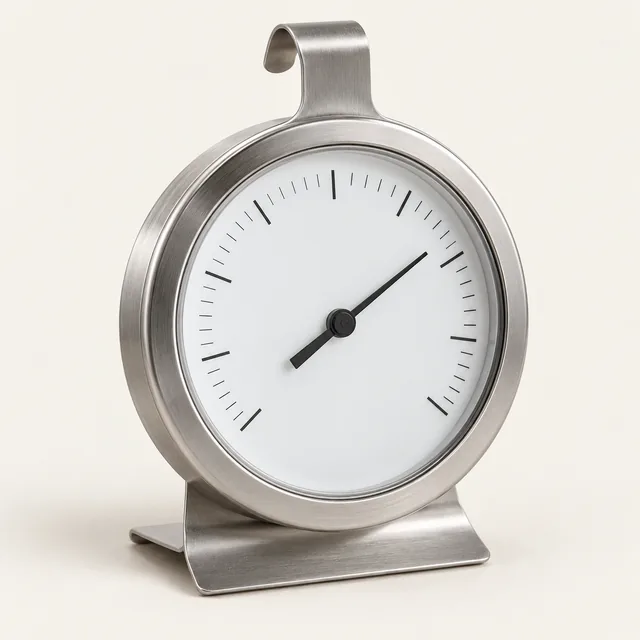
An appliance thermometer gives you a temperature reference without requiring the refrigerator’s display to work. FDA guidance recommends keeping the refrigerator at 40°F or below and the freezer at 0°F or below. A thermometer is useful preparation, but a single reading after power returns cannot tell you the highest temperature reached or how long food was warm. Read FDA food-safety guidance.
Time matters as much as temperature.
Keep refrigerator and freezer doors closed as much as possible. FDA guidance says an unopened refrigerator keeps food cold for about four hours; a full freezer holds temperature for approximately 48 hours, or 24 hours if half full, with its door closed. These are planning estimates. Follow the linked guidance for the particular food and its time and temperature history. Never taste food to decide whether it is safe. Read FDA outage guidance.
Give a cooler a realistic job.
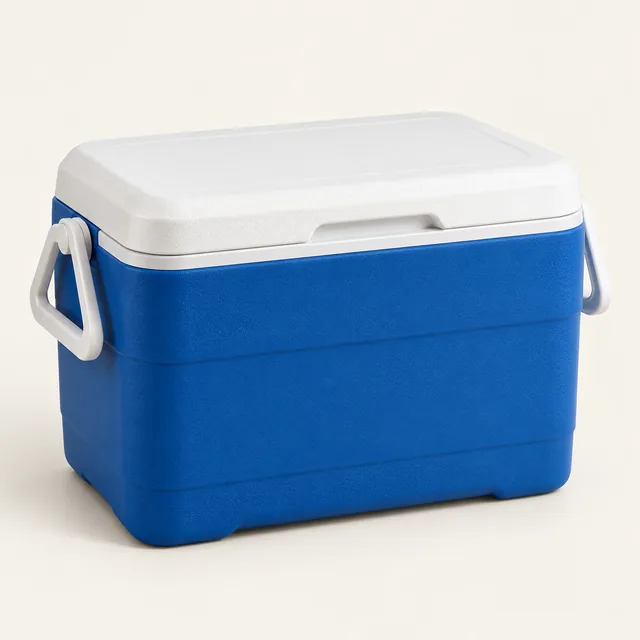
A cooler is a place to use ice, not a replacement refrigerator that makes its own cold. Decide which small group of items you would move and how you would obtain ice safely. Leave space for cooling material, use a thermometer and check that someone can lift the loaded container. Do not treat an advertised ice-retention claim as a food-safety guarantee.
Prepare a meal that needs no cold chain.
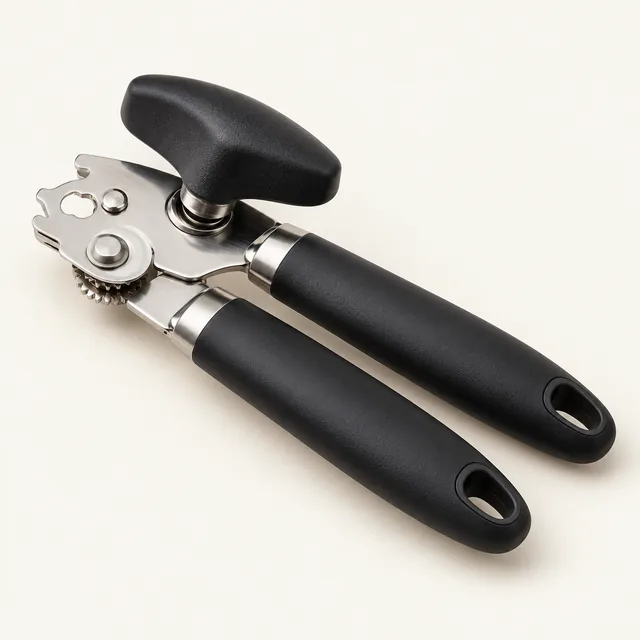
Keep some familiar shelf-stable food and a manual opener alongside your cold-storage plan. This makes it easier to leave refrigerator doors closed. Write down the outage start time if you know it and distinguish that from the time you noticed it. If the history is uncertain, use official discard guidance rather than treating a reassuring smell or a newly cold refrigerator as proof.
Buy for the measurement you need
An appliance thermometer stays in the refrigerator or freezer to show the surrounding temperature. A food thermometer measures the food itself. A logger can retain a history, but only if it has suitable power, placement, storage and an understandable record. These are different jobs. A basic dial thermometer does not become a temperature-history recorder simply because it remains in the cabinet.
| Item | Useful contribution | Limit |
|---|---|---|
| Appliance thermometer | A visible cabinet temperature reference | One reading does not show how long food was warm |
| Food thermometer | Checking an individual food temperature | A later cold reading cannot undo an earlier unsafe period |
| Cooler with ice | A smaller cold-storage space | Needs enough cooling material and temperature monitoring |
Choose a readable scale that includes the relevant temperature range, and place it according to its instructions. Practice reading it while the appliance is operating normally. That gives you a familiar baseline and reveals a hard-to-read dial before an outage makes the decision urgent.
A worked timeline: known outage versus unknown history
Suppose you witness an outage at 6 p.m. and keep the refrigerator shut. At 8 p.m. you have a known two-hour interruption. Record that information and keep openings brief. FDA’s approximate four-hour unopened-refrigerator window helps you plan when alternate cold storage may be needed; it is not permission to ignore temperature or the particular food.
Now change the scenario: you arrive home at 8 p.m., the power is already out, and you do not know when it failed. “Noticed at 8 p.m.” is not an outage start time. Likewise, a refrigerator that has cooled again by morning does not establish that everything stayed safe overnight. Write down what is known and use FDA’s food-specific outage guidance when deciding what to discard. Do not taste food to test its safety.
Keep a simple paper log: time last known powered, time first noticed off, whether doors were opened, any temperature measurement, and when food was moved. Do not repeatedly open the door just to fill the log. Missing observations should stay marked unknown rather than being replaced with a guess.
Size the cooler around a short priority list
Choose the foods you could realistically move, then allow room for ice or frozen packs as well as the food. A nominal 48-quart interior is not 48 quarts of safe food storage when part of the space must hold cooling material. Check whether the loaded cooler fits your available space and whether the person handling it can lift it safely.
Before a storm, find a safe ice source and an alternate plan if roads or shops become inaccessible. Shelf-stable meals reduce the need to open cold storage. If the cooler you already own is suitable, a thermometer and a practiced packing plan may be a more useful purchase than a larger container. Keep medicines on their own supplier or pharmacist-directed storage plan; food-storage advice does not establish medicine suitability.
PUT THE IDEA TO WORK
Equipment to research.
Start with what you already own. These examples cover different roles; you do not need every item. Selections are researched, not hands-on reviews.
As an Amazon Associate I earn from qualifying purchases. We may receive a commission when you buy through these Amazon links. Links open equipment searches on Amazon US; compare actual listing photos, features and sellers.
 AI illustration · equipment type
Refrigerator and freezer thermometer
Keep a visible temperature reference inside a refrigerator or freezer before an outage.
Check the fit
A reading now cannot reconstruct an unknown temperature history. Follow official discard guidance.
We may earn a commission.
Equipment search · Amazon US
 AI illustration · equipment type
Family ice cooler
Move a small set of perishables with ice when you have a safe cold-storage plan.
Check the fit
Insulation does not actively cool food. Use ice and a thermometer; no fixed safe runtime is assumed.
We may earn a commission.
Equipment search · Amazon US
 AI illustration · equipment type
Comfort-grip manual can opener
Make sure canned food remains usable when electric appliances stop.
Check the fit
Sharp edges remain after opening; clean and dry the mechanism after use.
We may earn a commission.
Equipment search · Amazon US
Sources & further reading
Editorial guidance, not a local emergency warning. Follow your national and local authorities.