In this article
- Start with the task, then choose the light.
- Give each person a reachable light.
- Make the battery plan match the model.
- Try a ten-minute practice run.
- Choose one light for each job
- Read the runtime claim alongside the brightness setting
- Compare the mode you will actually use
- Rechargeable or replaceable batteries?
Source-based guide created with AI assistance. Calculations are illustrative; equipment selections are researched, not hands-on tests. How we work.
Start with the task, then choose the light.
Picture the first few minutes of an outage: finding shoes, checking on someone in another room, and locating your phone. A headlamp keeps both hands available. A lantern works better when several people need to see a table or a small shared space. Those are different jobs, so choose around how your household will move rather than the biggest brightness number on a package.
Give each person a reachable light.
Store a familiar personal light where it can be found by touch. Check whether children and people with limited hand movement can operate the switch. A comfortable strap and a useful low setting may matter more than maximum output. Keep a shared lantern in a known place and leave walking routes clear. Battery-powered lights also avoid bringing an open flame into a cluttered room.
Make the battery plan match the model.
Before buying spares, open the compartment or read the manual. Some lights use AAA cells, others AA, and others a dedicated rechargeable pack. Match the exact battery type to the exact model; the lights below are not a universal battery bundle. Store the correct spares together and never try to charge disposable cells.
Try a ten-minute practice run.
Switch off a room light and test the setup before storing it. Can you read a label, find the bathroom and change a battery without searching through drawers? Check charging leads and low-power settings. If the flashlight you already own does these jobs well, keep using it. Buy the missing role in your plan, then revisit the kit when household needs change.
Choose one light for each job
A phone flashlight is useful for finding your dedicated light, but holding it ties up a hand and uses the same battery you need for messages. Think through the route from bed to shoes, the bathroom and your household meeting place. A light that lives in a camping bag in the garage may be excellent equipment and still be in the wrong place for that first trip.
| Light | Useful job | Buying check |
|---|---|---|
| Headlamp | Walking, opening a battery compartment, helping another person | Can the wearer adjust the strap and switch modes without assistance? |
| Lantern | Shared meals, cards, reading instructions at a table | Can you dim it and place it securely without glare? |
| Handheld flashlight | Briefly directing a beam into a particular area | Can you grip it while wearing the gloves you actually use? |
There is no requirement to replace a working flashlight with a headlamp. If an existing light is reachable, dependable and easy to operate, use it. A second light becomes useful when the first is in another room or someone else needs it. That is a concrete gap to fill, rather than a reason to buy three versions of the same tool.
Read the runtime claim alongside the brightness setting
Do not compare the maximum lumen number from one package with the longest runtime from another. Those figures may describe different operating modes. Find the manufacturer’s output and runtime information for the setting you expect to use. Also check whether brightness falls during that period; a light that is technically still on may no longer be suitable for your task.
As a planning exercise, suppose you want four evenings of light at three hours per evening. That is 12 hours of use at your chosen setting. It is a use target, not a prediction for the examples below. Check the exact model’s documented performance, then practice with the actual unit. Keep a separate reachable backup rather than draining your only emergency light just to test its limit.
Compare the mode you will actually use
Use a light’s current manufacturer documentation to compare brightness and runtime together. The manufacturer headlamp page in the sources is an example of how performance can be reported by operating mode and battery type. It does not identify the generic illustration or establish specifications for a shopping result.
| Setting to examine | Question to answer | Runtime check |
|---|---|---|
| Low setting | Is there enough light for the intended nearby task? | Use the duration published for this setting, not its maximum-output figure. |
| Everyday working setting | Can you see the route or instructions comfortably? | Compare brightness and duration for the same battery type and mode. |
| High or boost setting | Do you need this output briefly or continuously? | Check whether output steps down and how the manufacturer defines runtime. |
The earlier four-evening exercise needs 12 hours of use. As a hypothetical comparison, a light documented to provide 10 hours at your chosen setting would fall two hours short before allowing for uncertainty. That arithmetic is a planning illustration, not a product claim. A much longer runtime at a dimmer setting does not establish the same duration at higher brightness. Choose a useful setting and plan compatible spares or another reachable light.
If documentation lists reserve lighting, check what brightness remains during that period. Do not treat reserve time as additional hours at the normal output. Match the exact light, battery and mode, then practice with the purchased unit before relying on a runtime figure.
Rechargeable or replaceable batteries?
A rechargeable light can fit a household that already has a reliable charging routine. A light with replaceable cells lets you restore power without waiting for a charge, provided you have the correct cells. Either approach fails if the batteries are missing, flat or incompatible. Some models support more than one option, but a similar-looking battery compartment is not evidence of compatibility.
- Write the exact battery type and quantity on your kit inventory. Check the model manual before ordering spares.
- Keep charging cables with rechargeable lights and test the complete connection to your backup source.
- Follow the battery maker’s storage instructions; protect loose terminals and keep cells away from children.
- Set a recurring household check and inspect for corrosion, damage or an unexpectedly low charge.
The two lights linked below are equipment examples, not a tested bundle. Buy their batteries only after checking the exact generation and package contents. Start by assigning a storage place and testing the switches; you may solve the most important problem without buying anything.
PUT THE IDEA TO WORK
Equipment to research.
Start with what you already own. These examples cover different roles; you do not need every item. Selections are researched, not hands-on reviews.
As an Amazon Associate I earn from qualifying purchases. We may receive a commission when you buy through these Amazon links. Links open equipment searches on Amazon US; compare actual listing photos, features and sellers.
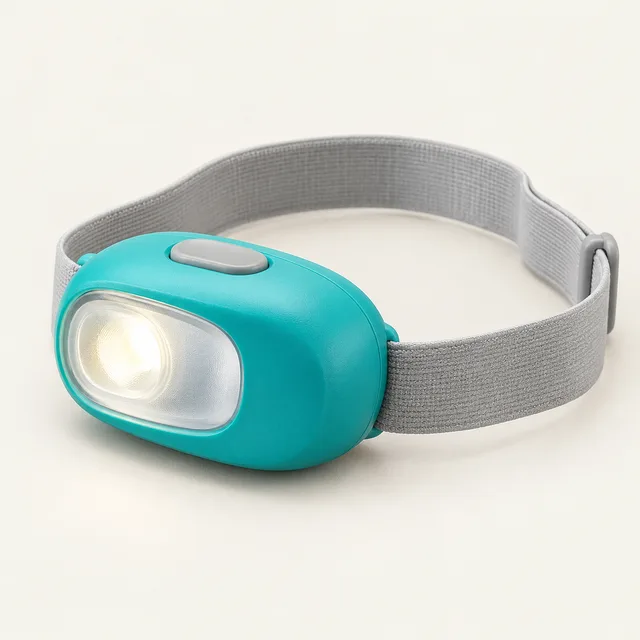 AI illustration · equipment type
Simple household headlamp
Hands-free light for checking supplies and moving through a dark home.
Check the fit
Use a lower setting to conserve power; maximum brightness is not the longest runtime.
We may earn a commission.
Equipment search · Amazon US
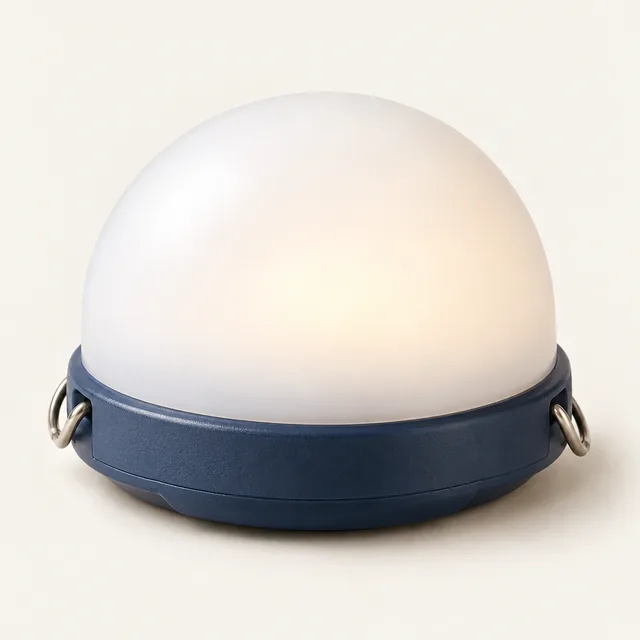 AI illustration · equipment type
Compact table lantern
Small shared-area lighting for a table, tent, or evacuation bag.
Check the fit
Keep a separate personal light; a small lantern cannot illuminate an entire property.
We may earn a commission.
Equipment search · Amazon US
Sources & further reading
- Ready.gov emergency supply checklist
- Manufacturer headlamp documentation example (not a shopping-card specification)
Editorial guidance, not a local emergency warning. Follow your national and local authorities.