In this article
- Pack for carrying, not for a product photo.
- Give water a place in both plans.
- Keep small essentials together.
- Practice the simplest tools.
- Separate a carry supply from a household reserve
- Use three packing zones
- Run a short carry-and-find rehearsal
- Know which small items deserve a purchase
Source-based guide created with AI assistance. Calculations are illustrative; equipment selections are researched, not hands-on tests. How we work.
Pack for carrying, not for a product photo.
A bag can look complete while being too heavy or too difficult to open. Walk a short safe route with your packed bag and check the straps, balance and access to water. Put the things needed first where you can reach them. Adapt the load to the person carrying it, including mobility needs, children and any assistance you expect.
Give water a place in both plans.
A portable bottle is useful on the move, but it does not replace a household supply. CDC recommends storing at least one gallon per person per day for three days, with additional water for some needs and circumstances. A 40-ounce bottle covers only a portion of one day. Start with safe water, use suitable containers and follow cleaning and storage guidance. An insulated bottle does not disinfect its contents. Read CDC water-storage guidance.
Keep small essentials together.
A protective wallet can keep identification cards, a paper contact list and some cash in one place. Check the interior dimensions before buying: a small wallet will not hold unfolded full-size papers. Test the closure as the manufacturer instructs. Keep a separate plan for larger document copies and make sure another household member knows where important items are.
Practice the simplest tools.
A whistle is compact, but the intended user still needs to be able to reach and operate it. Choose an attachment that will not create an entanglement problem, and do not test it next to someone’s ears. Add familiar medicines, chargers, food and pet needs before optional gadgets. Use the kit builder to mark what you already own and identify the remaining gaps.
Separate a carry supply from a household reserve
A large water reserve is useful at home and heavy on foot. The CDC household baseline is at least one gallon per person per day for three days, with more needed in some circumstances. For two people that starts at six US gallons. It does not follow that one person should put all six gallons in a backpack.
A 40-US-fluid-ounce bottle holds 40 ÷ 128, or about 0.31 US gallon. Two such bottles provide about 0.63 gallon before any losses or sharing. This arithmetic explains the bottle’s limited role; it is not a rationing instruction. Plan water for the route, an expected destination and uncertainty, while adapting the load to each carrier’s abilities. A vehicle supply only helps if you can reach the vehicle and the route remains usable.
Use three packing zones
| Zone | Examples | Practice question |
|---|---|---|
| Reach without unpacking | Light, contact card, immediately needed personal items | Can the intended person find it with one hand? |
| Reach at a stop | Water, familiar food, charging cable, spare layer | Can it be removed without emptying the bag onto the ground? |
| Protected inside | Document copies, spare supplies, items vulnerable to moisture | Does the enclosure fit and close with its actual contents? |
Choose protection based on the item and the product’s documented limits. A water-resistant pouch, a waterproof wallet and a document case can have very different dimensions and closure instructions. Do not assume a label guarantees protection when the closure is dirty, overfilled or used incorrectly. Try your actual cards and papers before deciding the container is suitable.
Run a short carry-and-find rehearsal
- Pack the intended contents and weigh the finished bag. Record the weight; do not borrow a universal weight target from a product listing.
- Walk a short, safe route with the intended carrier. Check balance, comfort, doorways and the use of any mobility aid.
- Ask the carrier to locate the light, contact card and water without coaching. Move difficult-to-find items.
- Practice loading the bag and pet supplies into your transport arrangement. Identify who needs help and a backup helper.
Stop or adapt the rehearsal if it is uncomfortable or unsafe. The useful result is discovering a specific problem: a zipper that is hard to grip, a strap that slips, or a bottle that requires unpacking everything else. Solve that problem before adding more equipment. A smaller bag that its user can handle may be more useful than a larger bag advertised for a longer duration.
Know which small items deserve a purchase
An existing bottle, protective folder and ordinary flashlight may already perform their jobs. Buy a purpose-made item when it addresses a demonstrated gap: reliable closure, appropriate dimensions, reachable signaling or usable controls. A whistle is a local sound signal, not a locator beacon or a replacement for contacting emergency services when possible.
Keep medicines and individual care needs prominent in the plan, with professional advice where required. Revisit contents after a move, a change in mobility, a new pet or changes in a child’s needs. Use the kit builder to record the items you own and the tasks still uncovered. The goal is a bag its owner can use, not a complete-looking product photograph.
PUT THE IDEA TO WORK
Equipment to research.
Start with what you already own. These examples cover different roles; you do not need every item. Selections are researched, not hands-on reviews.
As an Amazon Associate I earn from qualifying purchases. We may receive a commission when you buy through these Amazon links. Links open equipment searches on Amazon US; compare actual listing photos, features and sellers.
 AI illustration · equipment type
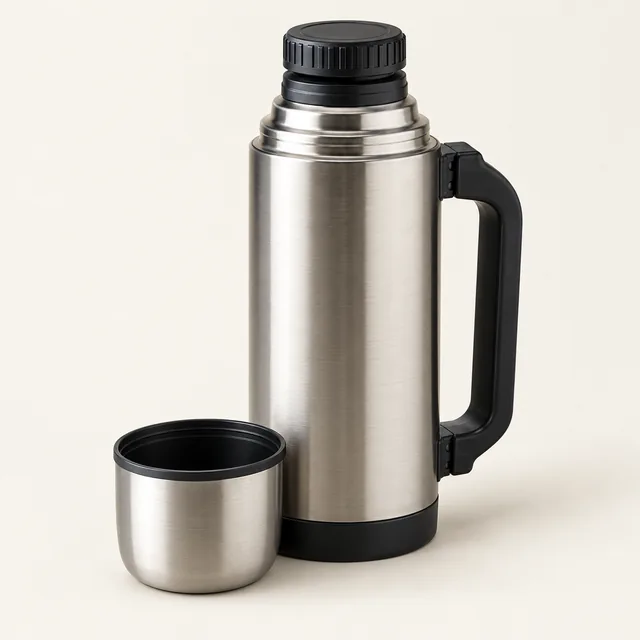
Large insulated drinking bottle
Carry a portion of safe drinking water or a prepared beverage away from home.
Check the fit
It stores a small portion of your water supply and does not filter or disinfect water.
We may earn a commission.
Equipment search · Amazon US
 AI illustration · equipment type
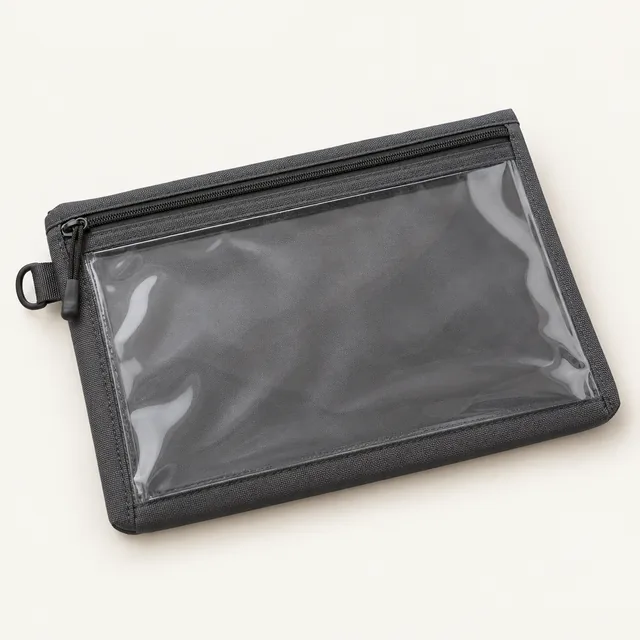
Water-resistant document wallet
Keep identification cards and small essentials together in a compact pouch.
Check the fit
Small wallet format, not full-size document storage; damage or an incomplete seal compromises protection.
We may earn a commission.
Equipment search · Amazon US
 AI illustration · equipment type
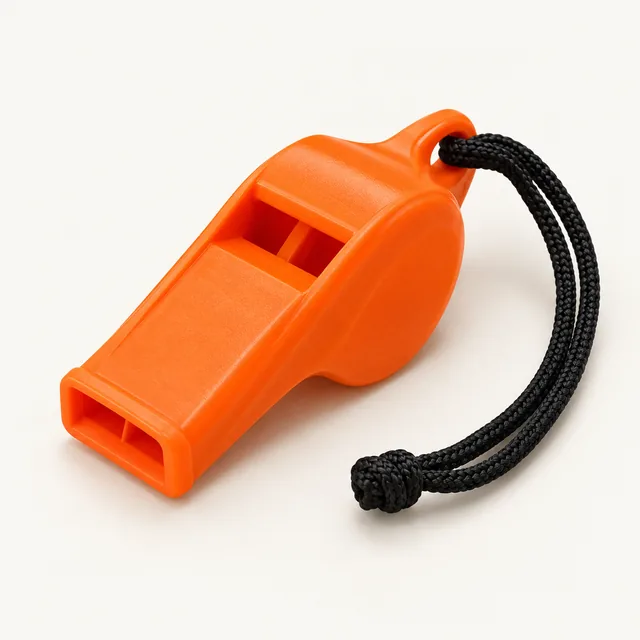
Pealess emergency whistle
Keep a simple sound signal within reach in a walking or evacuation kit.
Check the fit
A whistle cannot guarantee someone will hear you. Avoid sounding it close to ears.
We may earn a commission.
Equipment search · Amazon US
Sources & further reading
- CDC: create and store an emergency water supply
- Ready.gov emergency supply checklist
- Nite Ize RunOff wallet instructions
Editorial guidance, not a local emergency warning. Follow your national and local authorities.