Follow reported solar ejections across the space between us. Explore NASA’s modeled Earth-arrival times, one event at a time.
SUN–EARTH TRANSIT
150 million kilometres. One connected system.
CONNECTING TO NASA
SUN-FACING AT PLAYBACK TIME—Crosshair: where the Sun is overhead
Earth’s orientation at the selected time, not a ground-impact map. CME shocks encounter the magnetic environment around Earth; this feed cannot locate an exact first-contact country. A one-hour change in arrival time shifts the Sun-facing longitude by about 15°.
◐ Day / night+ Sun overheadLoading coastlines…
CME front Earth · 1 AUTop-down schematic · sizes exaggerated
SELECT AN EVENTAwaiting observations
This is a schematic playback, not live imagery or a physical simulation.
—
First observationModeled arrival
Retrieving the last 14 days of NASA CME reports…
Forecast time ≠ confirmed impact.
The moving front is an illustration interpolated from first observation to the published Earth-arrival estimate. It is not ENLIL model imagery. Arrival timing can change; NASA supplies no uncertainty interval in this feed. No arrival estimate does not mean no risk.
A solar eruption isn’t automatically an Earth event.
A coronal mass ejection (CME) is a large release of plasma and magnetic field from the Sun. Direction, speed and magnetic orientation matter. An Earth-arrival forecast estimates timing; it does not by itself predict the severity of a geomagnetic storm.
NASA DONKI provides experimental research analyses. For operational alerts and warnings, use NOAA’s Space Weather Prediction Center and your national service.
Data: NASA CCMC / Moon to Mars Space Weather Analysis Office, DONKI. Reports and models can be revised. Refreshes every 10 minutes while this page is visible. Original schematic artwork and animation. Earth orientation uses approximate NOAA solar-position calculations. Sources & methodology · Back to Planet View ↗
UNDERSTAND THE DATA
How to use solar ejection & storm tracker.
What is a coronal mass ejection?
A CME is a release of plasma and magnetic field from the Sun. Direction and speed influence whether it can reach Earth, and the magnetic environment affects the resulting geomagnetic activity. A solar eruption is not automatically an Earth-directed event. Browse all reports or narrow the list to those with an Earth-arrival estimate.
Where do arrival estimates come from?
This tracker uses NASA CCMC DONKI research reports and published model analyses. When a report contains an Earth-arrival estimate, the playback links the first observation to that estimate. Reports can be revised. An arrival time is not a confirmed impact and does not, by itself, forecast a storm’s severity.
What does the rotating Earth tell me?
The Earth view shows approximate orientation and the Sun-facing side at the selected playback time. It cannot identify the first country struck by a CME. The shock interacts with Earth’s surrounding magnetic environment, rather than hitting a mapped country like an object on the ground.
Can I use this as an emergency alert?
Use NOAA’s Space Weather Prediction Center or your national service for operational warnings. This page is an educational report explorer. Its animated front is illustrative, not live solar imagery or a physical simulation. A report with no Earth-arrival estimate should not be treated as an all-clear.
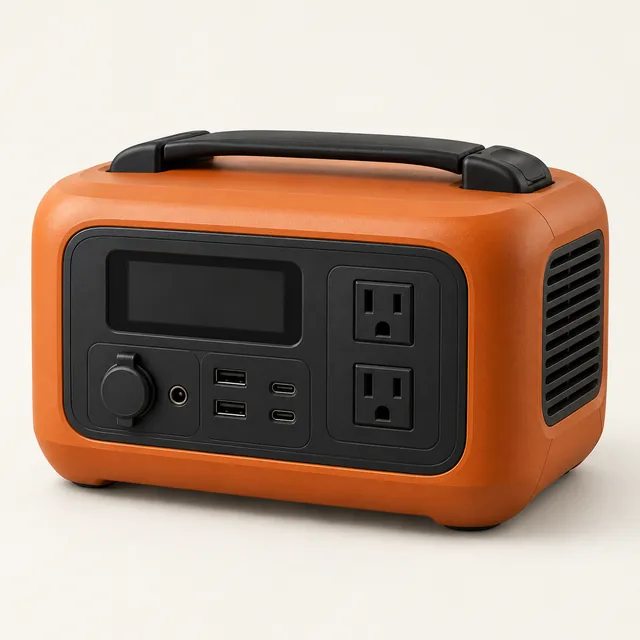
As an Amazon Associate I earn from qualifying purchases. We may receive a commission when you buy through these Amazon links. Illustrations show equipment types. Links open Amazon searches with varied results; compare listing photos, specifications, contents and compatibility before buying.
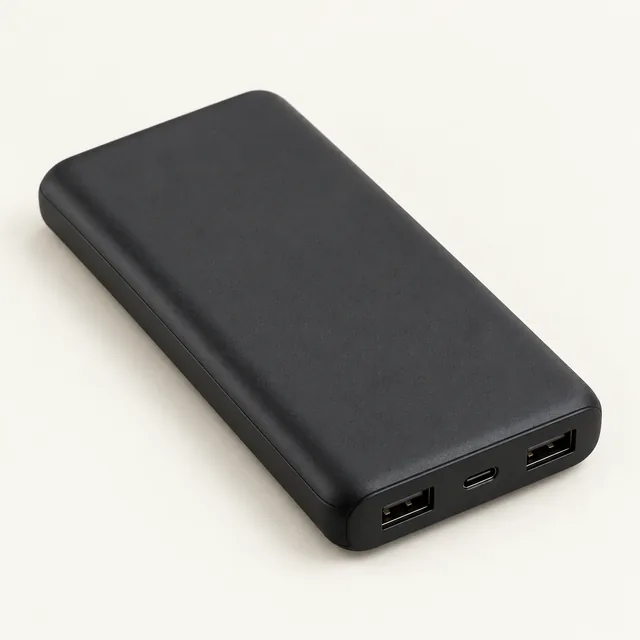 AI illustration · equipment type