Never walk, swim, or drive through floodwater. Turn around and choose a safe route.
Before: make the plan
- Check local flood maps and warning services. A past flood-free year is not proof your home is safe.
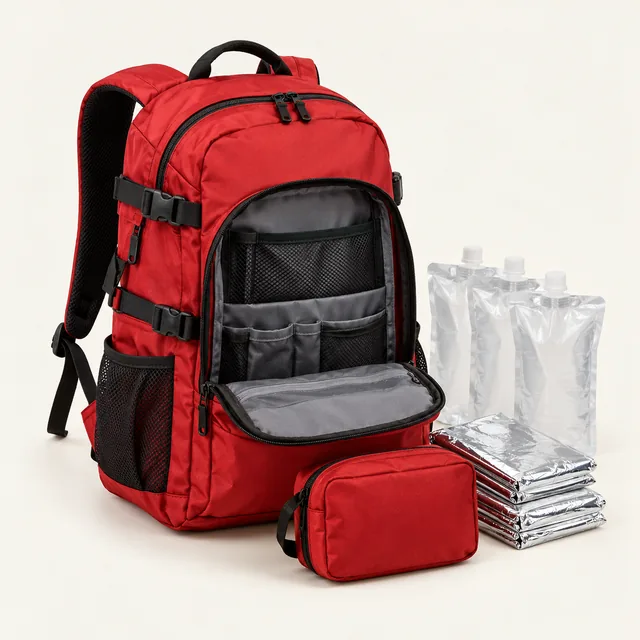
- Move documents and irreplaceable items to a protected location. Prepare a bag you can carry.
- Identify routes away from low-lying roads, underpasses, streams, and coastal surge areas.
During: protect people
- Follow evacuation instructions promptly. Do not wait to finish protecting belongings.
- Keep people and pets away from floodwater, drains, and damaged electrical equipment.
- If trapped, contact local emergency services and move to a safer higher location if possible. Do not enter a closed attic without a way out.
After: recover carefully
- Return only when authorities say it is safe. Floodwater can leave electrical, structural, and contamination hazards.
- Follow local drinking-water advice and photograph damage when safe. Do not energise wet equipment.
Plan a destination before roads change
Record a destination and alternative routes that follow your local evacuation guidance. Consider people without a vehicle, pets and equipment that is difficult to move. Check how you would receive warnings if the phone battery runs down. Store important documents so they can be reached and taken with you.
Use forecasts for preparation, not clearance
A forecast or rainfall layer gives broad context; it cannot certify that a road, stream or building is safe. A global model is not a street-level flood map. Use your official flood-warning and evacuation services, and follow instructions even if an online chart appears quieter. Make arrangements early for anyone who needs additional time or assistance.
Tools for your plan
Published by the Beforetheoutage.com editorial desk.
Read the official guidance
Source links included 3 October 2026. Guidance must be adapted to your country, building, and personal circumstances.