Follow evacuation orders immediately. A smoke filter or packed kit is not a reason to stay.
Before: make the plan
- Know your evacuation zone, more than one escape route, and where pets can go.
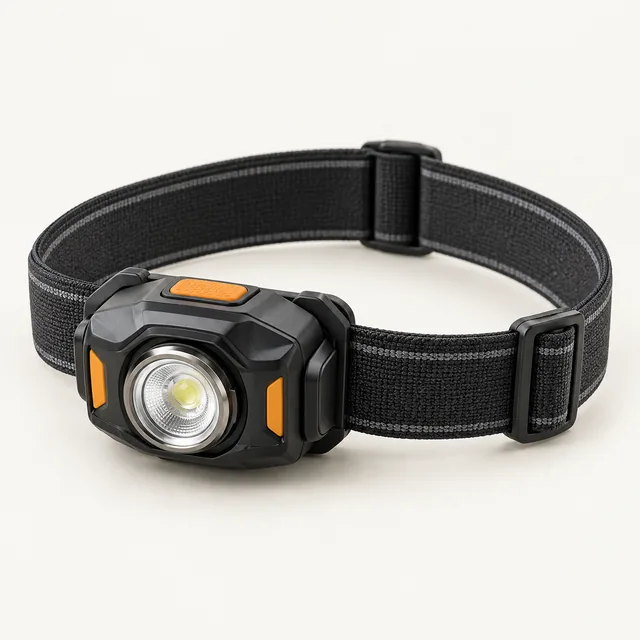
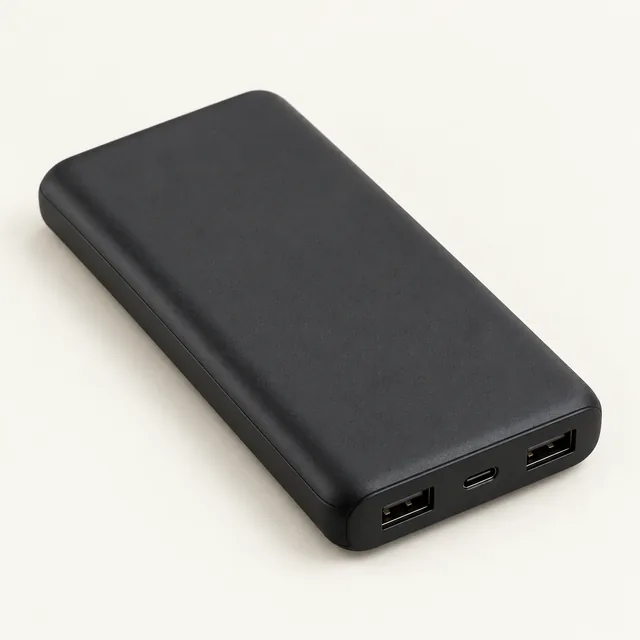
- Pack documents, medicines, chargers, and a change of clothes where you can reach them.
- Review your local fire service’s property guidance. Plan a cleaner-air indoor space and a destination outside the smoke area.
During: protect people
- Monitor official fire updates and air-quality advice. Close windows when smoke is outside if indoor temperatures remain safe.
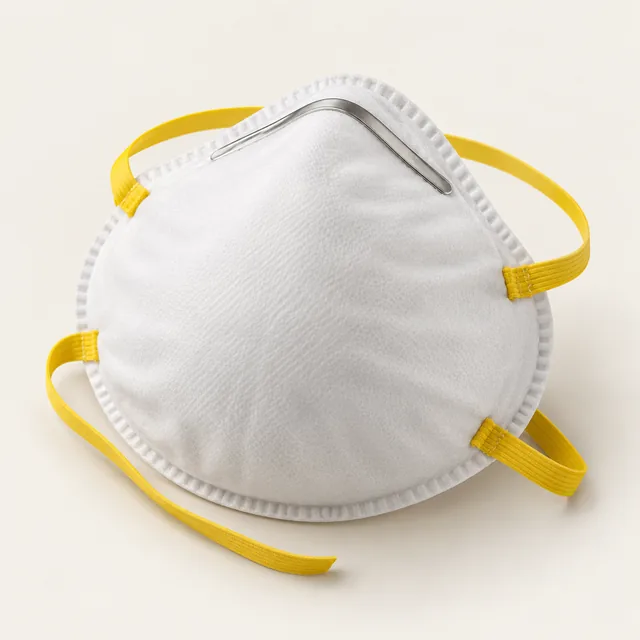
- Reduce smoke exposure. A well-fitting particulate respirator can reduce particles but does not protect against every gas or make a fire zone safe.
- Leave when directed or earlier if you need extra travel time. Keep roads clear for responders.
After: recover carefully
- Do not return before officials allow it. Watch for hot spots, falling debris, and contaminated ash.
- Replace used supplies and review whether your transport and communication plan worked.
Pack for the actual journey
Choose a bag each person can carry or a transport arrangement that works for the household. Include medicines, document copies, communication and charging, familiar food, water and personal accessibility needs. Decide how pets will travel and where you can stay. Keep destination and route information on paper as a backup.
Separate fire reports from evacuation decisions
Satellite detections show where a sensor recorded heat. They do not establish a safe route, predict the next ignition or replace an evacuation order. In the fire map, read the observation time and confidence and consult local authorities. Practice departure arrangements before a warning so last-minute packing does not consume the time needed to leave.
Tools for your plan
Published by the Beforetheoutage.com editorial desk.
Read the official guidance
Source links included 3 October 2026. Guidance must be adapted to your country, building, and personal circumstances.