In this article
- Audit the contents, not the name
- Check the quantity against your people
- Inspect power and regional compatibility
- Know the limits of water filters
- Buy, unpack, practise
- Use a contents audit you can repeat for any kit
- Worked example: why pouches do not equal days of water
- Compare the cost of completing the kit
- Acceptance-check the purchase while problems are fixable
Source-based guide created with AI assistance. Calculations are illustrative; equipment selections are researched, not hands-on tests. How we work.
Audit the contents, not the name
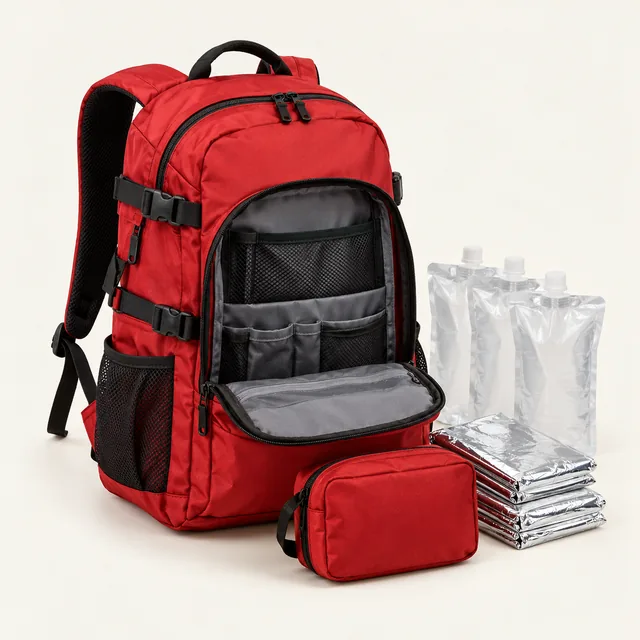
“Survival” and “doomsday” are marketing terms, not standards of readiness. Read the actual contents list. Several hundred small dressings can inflate a piece count while the kit still lacks water, useful lighting, or a radio. A pre-packed bag can be a starting point, but it should earn its place item by item.
Check the quantity against your people
Divide food and water by the number of people and days you plan for. Check whether listed quantities are a whole-kit total or a per-person amount. Compare them with local preparedness guidance and your household’s needs. Add pet supplies, medicines, accessible equipment, infant care, and dietary requirements yourself.
Inspect power and regional compatibility
Check battery types, replacement availability, charging cables, and instructions. A NOAA weather radio is a regional tool; its weather channels are not a worldwide warning service. Mains-powered equipment must match your local voltage, frequency, plug, and safety requirements.
Know the limits of water filters
A filter is not a substitute for stored safe water. Different products address different contaminants; a backpacking filter may not treat viruses, salt, or chemical pollution. Follow local water advisories and the manufacturer’s stated treatment capability. Do not assume floodwater becomes safe because it passes through a filter.
Buy, unpack, practise
Check dates, missing items, and damage while returns are still possible. Read instructions in daylight. Test your torch, radio reception, and charging setup. Then put everything where the household can find it. The useful part of a kit is knowing how to use it.
Use a contents audit you can repeat for any kit
Copy the seller’s actual quantities into a small worksheet. Use whole-kit totals first, then divide by the number of people and days. A photograph of several bags or a label saying “family” is not a quantity specification. Check the exact selected size and bundle because similar listings can contain different supplies.
| Category | Record | Ask |
|---|---|---|
| Water | Total fluid ounces or liters actually included | How much of the household target does that cover? |
| Food | Total energy, servings, ingredients and preparation needs | Can everyone eat it, and what else is needed to prepare it? |
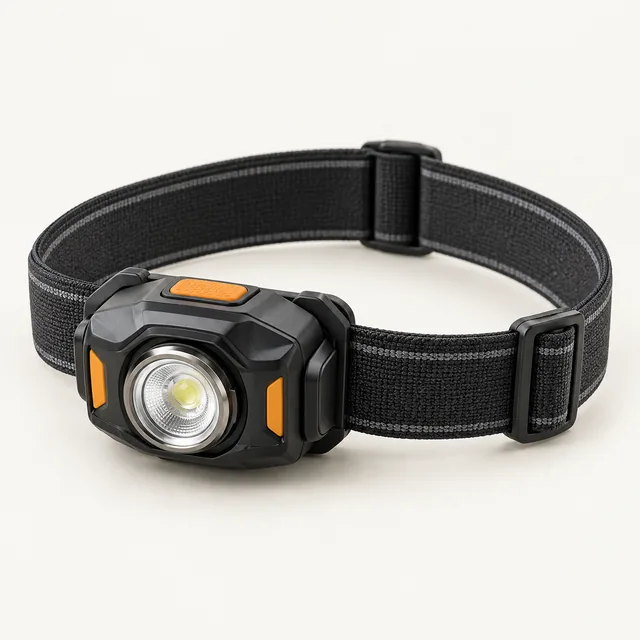
| Lighting and communication | Exact models, batteries and charging accessories | Can they be used immediately and maintained later? |
| Personal needs | Medicines, accessible items, infant and pet supplies | Which essentials must be added separately? |
Treat an unspecified item as an unresolved question rather than giving the kit credit for it. If the seller cannot identify the receiver, for example, you cannot reliably evaluate its alert features. A transparent contents list is more useful than a large piece count.
Worked example: why pouches do not equal days of water
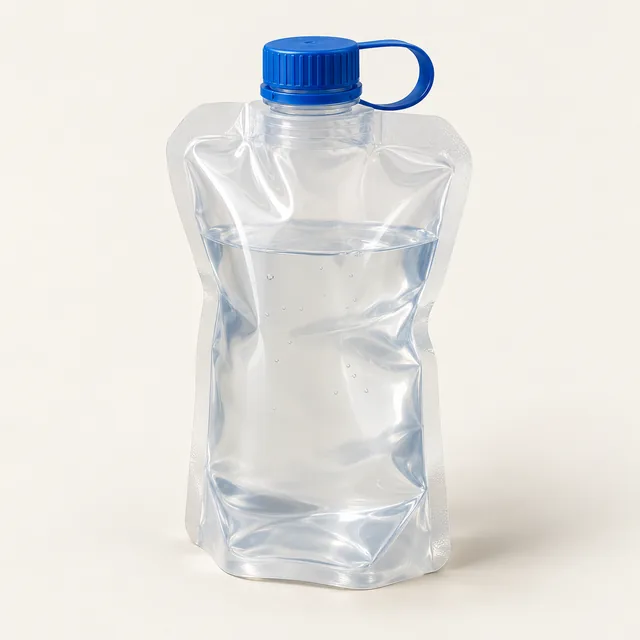
Imagine a hypothetical two-person kit containing 12 water pouches of 4 US fluid ounces each. Its total is 48 fluid ounces, or 0.375 US gallon. Against CDC’s baseline of one gallon per person per day, two people for three days start at six gallons. The example pouches cover 0.375 ÷ 6, or 6.25% of that household baseline. They can have a useful portable role, but the household still needs a separate water plan.
This is an invented example for learning the arithmetic, not the contents of a linked product. Repeat it with the exact package you are considering. Similarly, “six food bars” tells you little without their combined energy and ingredients. Calculate what is supplied, then account for personal needs rather than treating any marketing duration as a universal nutrition prescription.
Compare the cost of completing the kit
The meaningful comparison is the kit price plus the missing supplies and replacement needs. A low-price bag may become expensive after adding suitable water storage, a usable light, a documented radio and required personal items. A more expensive bag may still be unsuitable if its contents are inaccessible, unfamiliar or too heavy to carry.
Make two columns: the bundle with additions, and a self-assembled version using what you already own. Include shipping, consumable replacement and the time needed to inspect and organize the items. There is no universal winner. A well-documented bundle may save organization time; self-assembly can avoid duplicates and make individual requirements easier to meet.
Do not award extra value for tools you cannot safely use or maintain. Also distinguish a home reserve from an evacuation bag. Water and food kept at home do not have to fit in one backpack, while an evacuation load must be manageable for its actual carrier. See the packing rehearsal for a practical way to assess that.
Acceptance-check the purchase while problems are fixable
- Compare delivered contents with the exact listing and check damage, dates and missing accessories.
- Open the light and radio instructions, fit approved batteries and test the functions you need.
- Try every charging cable with its intended equipment.
- Add personal supplies, label storage locations and give another household member a short walkthrough.
Keep the contents record and instructions with the plan. Recheck consumables and household needs periodically. If a bundle leaves the most important gaps unresolved, buying another larger bundle may simply duplicate the same gaps. Use the kit builder to track the specific tasks that still need attention.
Sources & further reading
- Ready.gov · Build a kit
- CDC · Making water safe in an emergency
- Midland · ER310 user guide
- CDC: emergency water storage
Editorial guidance, not a local emergency warning. Follow your national and local authorities.